Why a day retreat works better than another meeting room
Most corporate teams do their most important thinking in the same places where they handle their daily emails and deadlines. That makes it very hard to switch off, look at the bigger picture, or have honest conversations about what is and is not working.
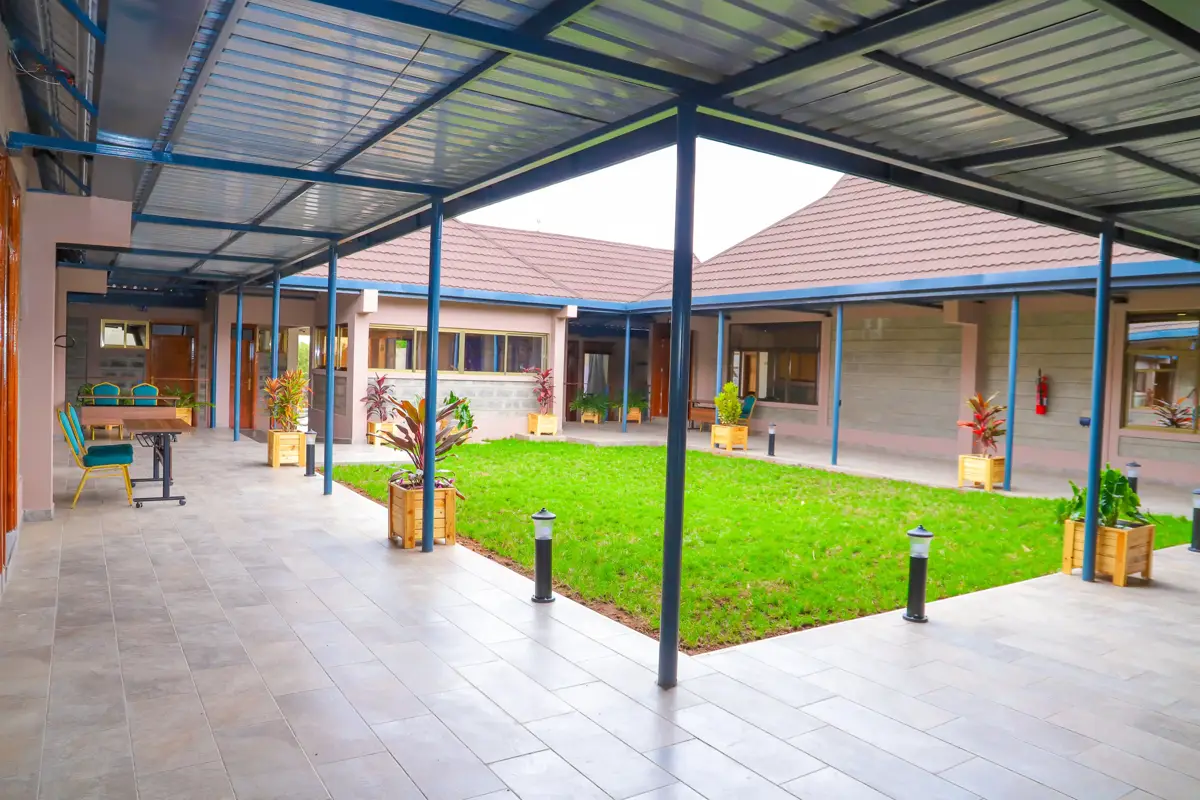
A day retreat outside the office gives people a neutral, low‑distraction environment where they can slow down, listen to each other, and think beyond the next quarter. When you get the location right—quiet, green, and away from alcohol—the day naturally feels different from a typical hotel meeting or office workshop.
For companies based in Nairobi, Machakos offers a practical balance: it is close enough for a day trip, but far enough to feel like “away from the city” for a full reset.
Why choose a non‑alcoholic garden venue in Machakos
Not every team or organization wants alcohol to be part of its retreat culture. For some leadership teams, faith‑based organizations, NGOs, or departments with strict HR policies, a non‑alcoholic environment removes pressure and keeps the focus on the work and relationships that matter.
A garden venue in Machakos adds three important elements to that:
1. Natural light and open space, which help people feel less boxed‑in and more open to new ideas.
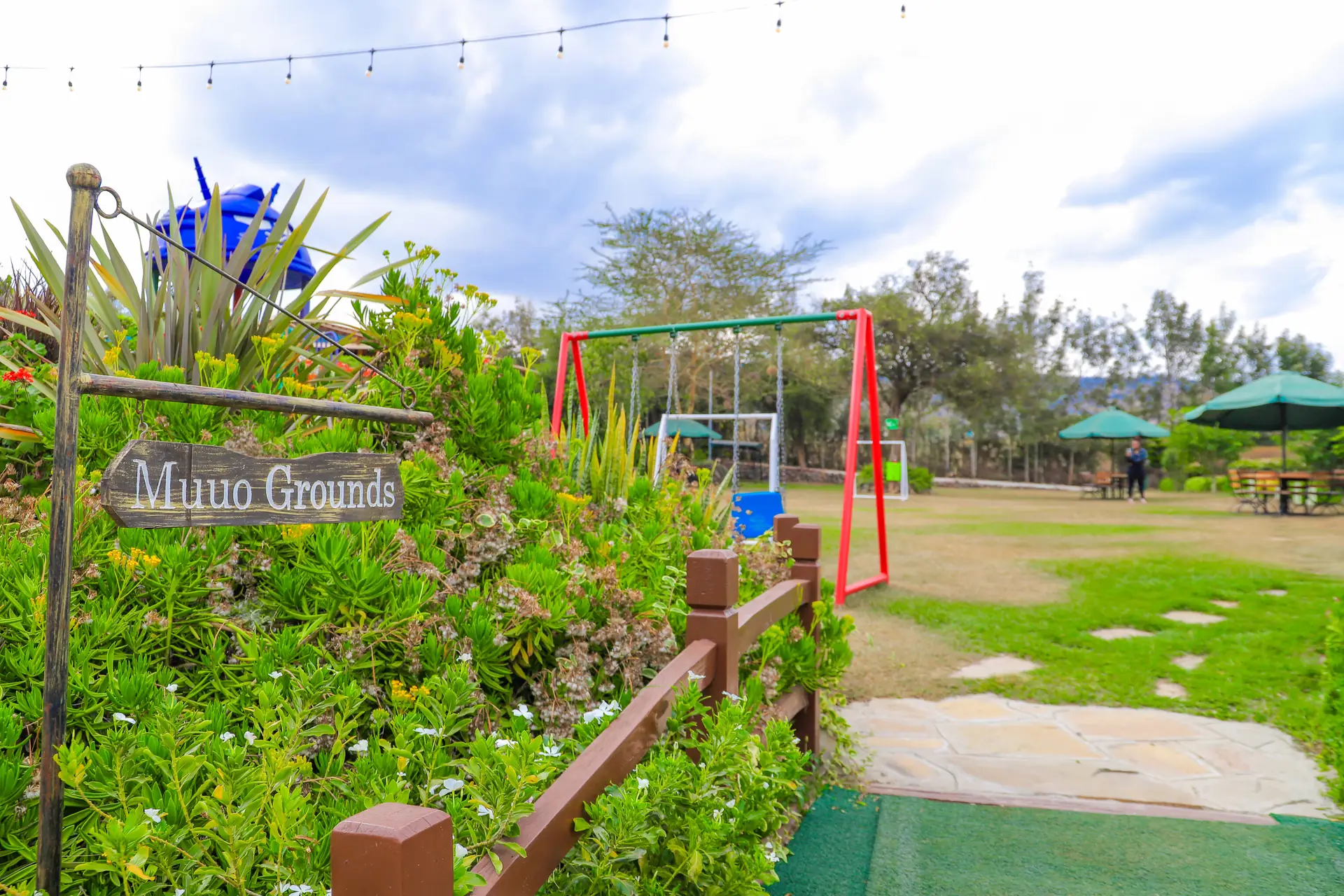
2. A calm environment with trees, paths, and fresh air, which naturally slows the pace and supports deeper conversations.
3. Enough distance from Nairobi—roughly a 45‑minute drive from the CBD—to break routine without needing flights or long transfers.
When a venue is intentionally non‑alcoholic and drug‑free, and clearly communicates that to guests in advance, it also becomes easier for HR and leadership to manage expectations and keep the retreat aligned with company values
Key questions to answer before you book
Before you choose any venue for a day retreat, it helps to answer a few practical questions internally:
1. What is the primary goal of this retreat?
Strategy and planning, culture building, problem‑solving, or pure bonding?
2. How many people are you planning for?
This affects garden choice, conference room size, and layout.
3. What kind of environment do you want?
Fully non‑alcoholic and family‑friendly, or more open?
4. Do you need a formal conference room plus breakout gardens, or just outdoor spaces?
5. How much time do you realistically have?
Will people sit in traffic, or can you keep travel within about one hour from Nairobi?
Once you are clear on these points, it becomes much easier to work with a venue to choose the right garden, conference room, and schedule for your team.
Sample 1‑day corporate retreat itinerary from Nairobi
Below is a simple, realistic example of how a Nairobi‑based team could use a non‑alcoholic garden venue in Machakos for a focused day retreat. Timings are indicative—your team and traffic patterns may vary.
07:30 – 08:15: Departure from Nairobi
– Team travels together by bus or car pool. Use this time to set expectations and briefly go over the day’s purpose.
08:15 – 09:00: Arrival and welcome
– Check in at the venue, enjoy tea and a light non‑alcoholic breakfast in the garden.
– Short welcome from the facilitator or team leader, including a quick reminder of the retreat goals.
09:00 – 11:00: Morning strategy session in the conference room
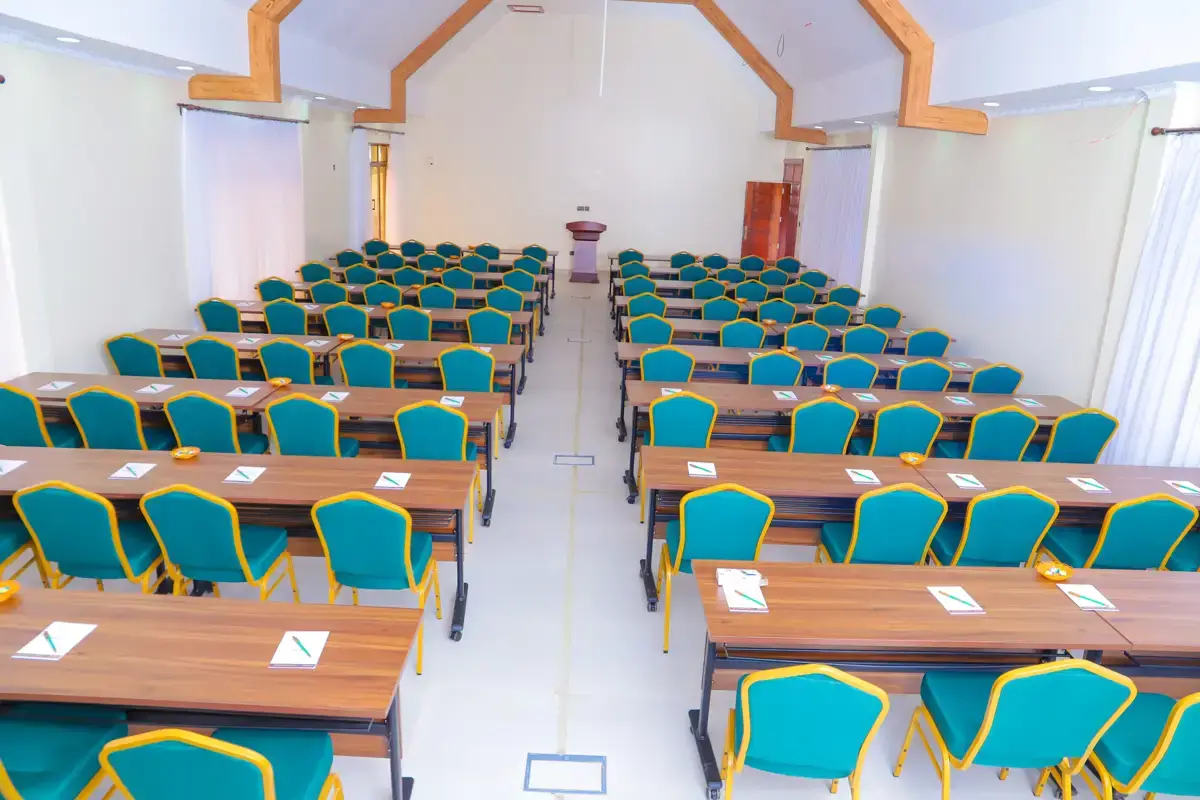
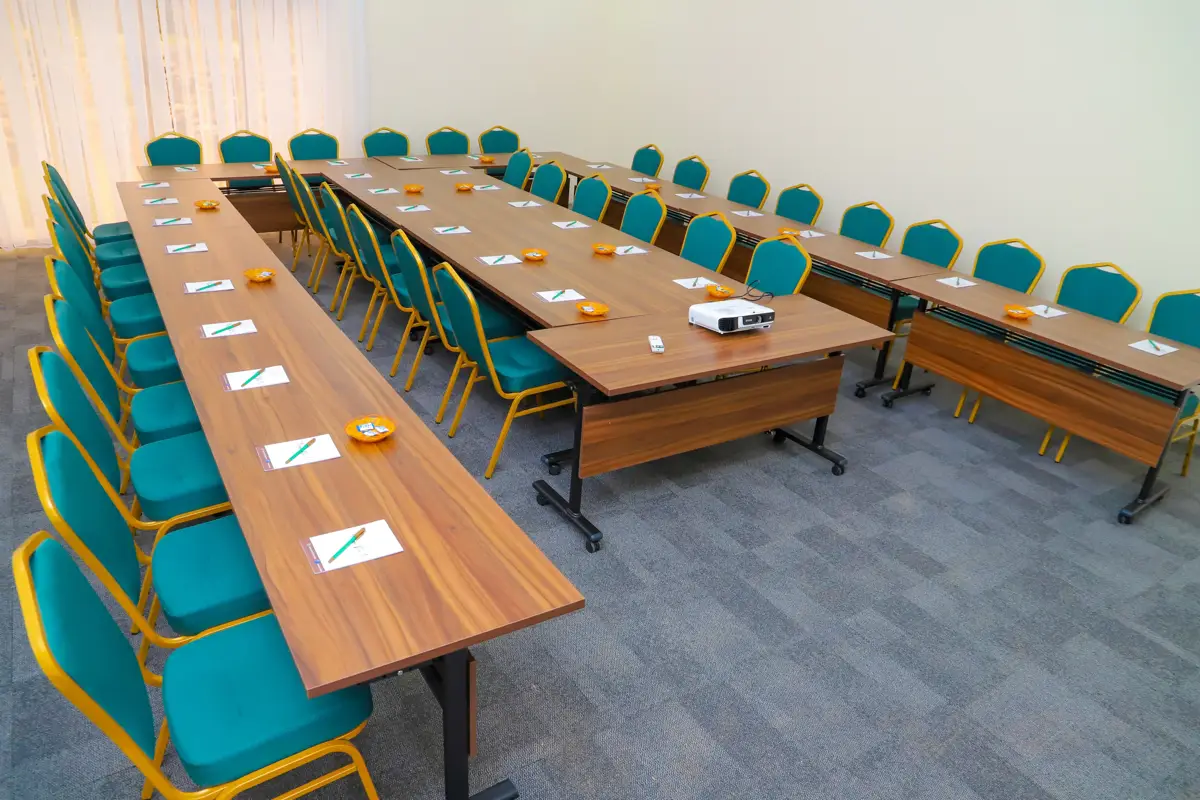
– Use a formal meeting room with a projector, sound, and Wi‑Fi for key presentations and discussion.
– Keep slides simple and leave time for open dialogue.
11:00 – 11:30: Tea break in the garden
– Step outside for fresh air, tea, and light snacks. This is a good time for informal conversations and follow‑ups.
11:30 – 13:00: Breakout groups in different garden spaces
– Split into smaller teams and use different garden areas for focused topics, guided by clear questions.
– Each group appoints a note‑taker to capture ideas and practical action points.
13:00 – 14:00: Lunch and unstructured connection
– Share a non‑alcoholic lunch in the dining area or under shaded garden tents.
– Encourage team members to sit with colleagues they do not normally work with.
14:00 – 15:30: Light team‑building or reflective activity
– Use simple, inclusive activities: guided nature walks, low‑pressure team challenges, or a facilitated conversation about values and culture.
– Avoid intense physical challenges that may exclude some team members.
15:30 – 16:15: Closing session and commitments
– Return to the conference room or a quiet garden space.
– Agree on 3–5 concrete decisions or actions that will come out of the day. Assign owners and timelines.
16:15 – 17:00: Departure back to Nairobi
– Return home with clear next steps and a shared memory of the day.

Practical checklist for your planning team
To make the most of a day retreat, give your planning team a simple checklist to follow:
Venue and logistics
– Confirm travel time from your office to Machakos and back.
– Align on whether the venue’s non‑alcoholic policy matches your organization’s expectations.
– Check conference room capacity, seating style, and available equipment.
Programme design
– Clarify 1–3 core outcomes you want from the day.
– Decide how much time to spend indoors versus outdoors.
– Build in breaks and transition time—people think better when they are not rushed.
People and communication
– Share the purpose of the retreat and basic schedule with the team at least one week in advance.
– Note any dietary needs, accessibility requirements, or special considerations.
– Remind everyone the venue is non‑alcoholic and cashless if that applies, so they can plan accordingly.
When you arrive with a clear plan, the venue team can focus on execution: smooth service, good timing, and a relaxed but purposeful flow.